
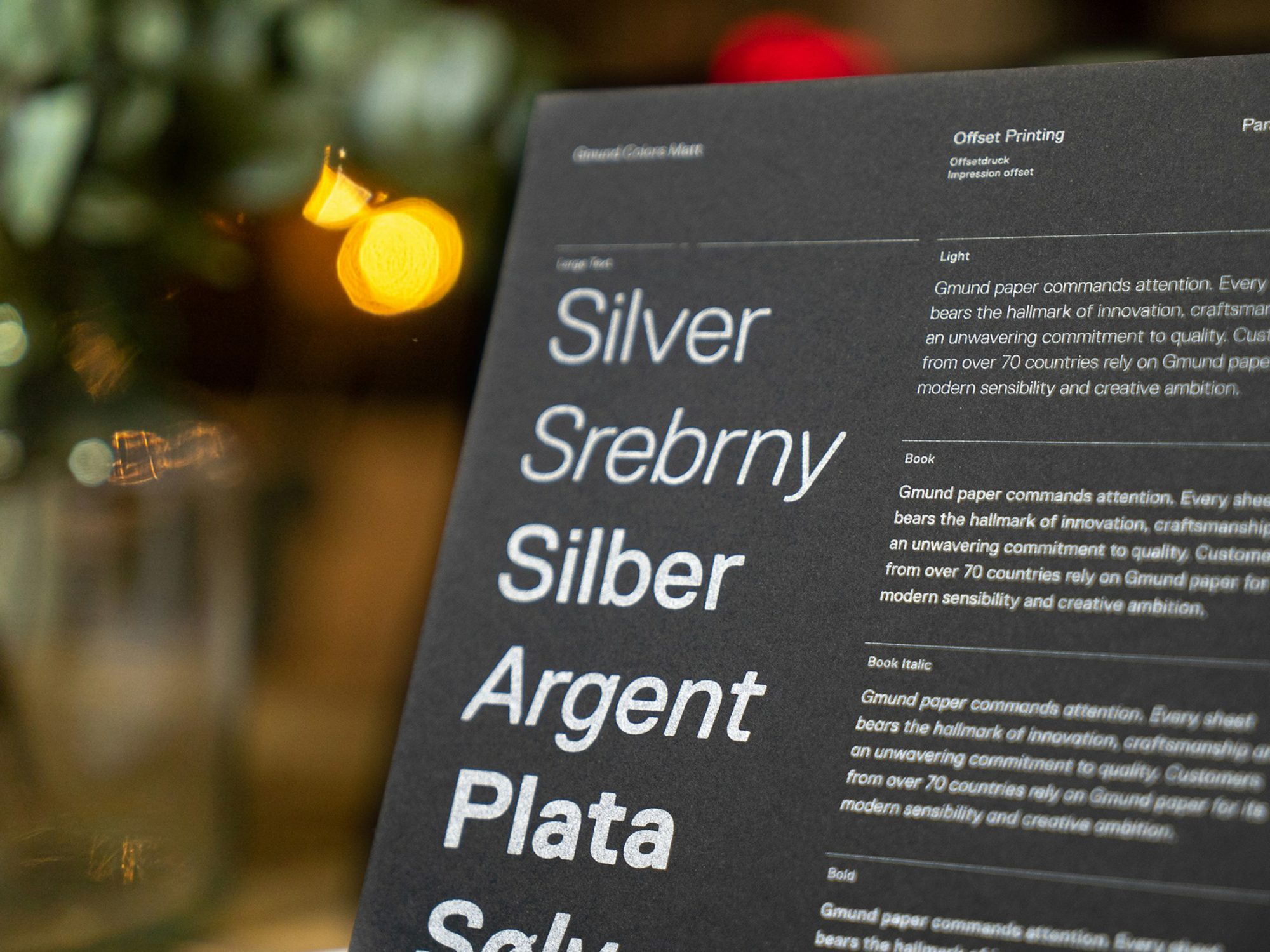
Typography is one of the most influential elements in any design project, yet it is still one of the most overlooked. Choosing the right typeface shapes how people perceive your brand, how they read your content and how credible your message feels. When typography is treated as an afterthought, even the strongest concept can fall flat. When it is chosen with intention, it elevates everything around it.
Why typography matters from the very beginning
Typography is not decoration. It is communication. The typeface you choose determines tone, clarity, hierarchy and emotional impact. A brand that uses a refined serif communicates something very different from one that uses a geometric sans‑serif. A website set in a poorly chosen font feels amateur, no matter how good the layout is.
Good typography supports the message. Poor typography distracts from it.
1. Brand perception
Typography is one of the first signals of brand personality. A typeface can feel premium, playful, technical, traditional, modern or disruptive. When the wrong font is used, the brand voice becomes inconsistent. When the right font is used, the brand feels coherent and intentional.
2. Readability
Readable typography keeps people engaged. Line height, letter spacing, contrast and typeface design all influence how easily someone can absorb information. This is especially important for brochures, catalogues and long‑form website content.
3. Hierarchy
Typography guides the reader through the content. Headings, subheadings, pull‑quotes and body copy all need to work together. A well‑structured typographic system helps the reader understand what matters most.
4. Consistency
A strong typographic system creates visual unity across print and digital materials. When your website, brochures and social graphics all use the same typefaces and styles, your brand becomes instantly recognisable.
Why typography should never be an afterthought
Many businesses choose fonts at the end of a project, often defaulting to whatever is already installed on their computer. This is where design quality begins to slip.
Typography should be chosen at the concept stage, not the final stage. Here’s why:
- Fonts influence layout — Different typefaces have different proportions. Choosing a font late in the process often means redesigning layouts to make them work.
- Licensing matters — Commercial projects require proper licensing. Leaving this to the last minute can cause delays or force you to switch to a less suitable typeface.
- Brand tone must be intentional — Typography is part of your brand voice. Choosing it early ensures the tone is consistent across all materials.
- Print and digital behave differently — A font that looks beautiful in print may not render well on screens. Considering both environments early avoids compromises later.
When typography is planned from the start, the entire project becomes more cohesive and more effective.
Choosing the right typeface for your project
Selecting a typeface is both an art and a technical decision. Here are the key factors to consider:
Purpose
Is the project a brochure, a website, a brand identity or a product catalogue? Each requires different typographic qualities.
Audience
A luxury audience expects refinement. A youth audience expects energy. A technical audience expects clarity.
Medium
Print allows for fine detail and subtlety. Web typography must be robust, legible and screen‑optimised.
Character set
If you need multilingual support, extended symbols or specialist characters, not all fonts will be suitable.
Licensing model
Some fonts are licensed per user, per website, per page view or per app. Understanding this early prevents unexpected costs.
High‑quality type foundries worth exploring
If you want unique, well‑crafted typefaces, avoid generic free‑font websites. Professional foundries offer better design, better spacing, better readability and proper licensing.
Here are some respected foundries that consistently produce exceptional work:
- Klim Type Foundry — Known for beautifully crafted, highly readable typefaces such as Domaine and Söhne.
- Commercial Type — A leading foundry producing modern classics used by major brands worldwide.
- Colophon Foundry — A UK‑based foundry with a strong contemporary aesthetic.
- Grilli Type — Swiss‑influenced, modern and expressive typefaces with excellent technical quality.
- TypeTogether — Specialists in editorial typography, ideal for brochures and long‑form reading.
- Sharp Type — Bold, distinctive typefaces with strong personality and excellent craftsmanship.
- Dalton Maag — A global foundry known for corporate type systems and screen‑optimised fonts.
These foundries offer typefaces that elevate a brand far beyond what standard system fonts can achieve.
Typography is design — not decoration
Typography is one of the most powerful tools in your design toolkit. It shapes how people feel, how they read and how they remember your brand. When chosen with care, typography strengthens every part of your project. When ignored, it weakens even the best ideas.
If you’re planning a new brochure, website or brand identity, start with typography, not at the end, but at the beginning. It will influence every decision that follows.