
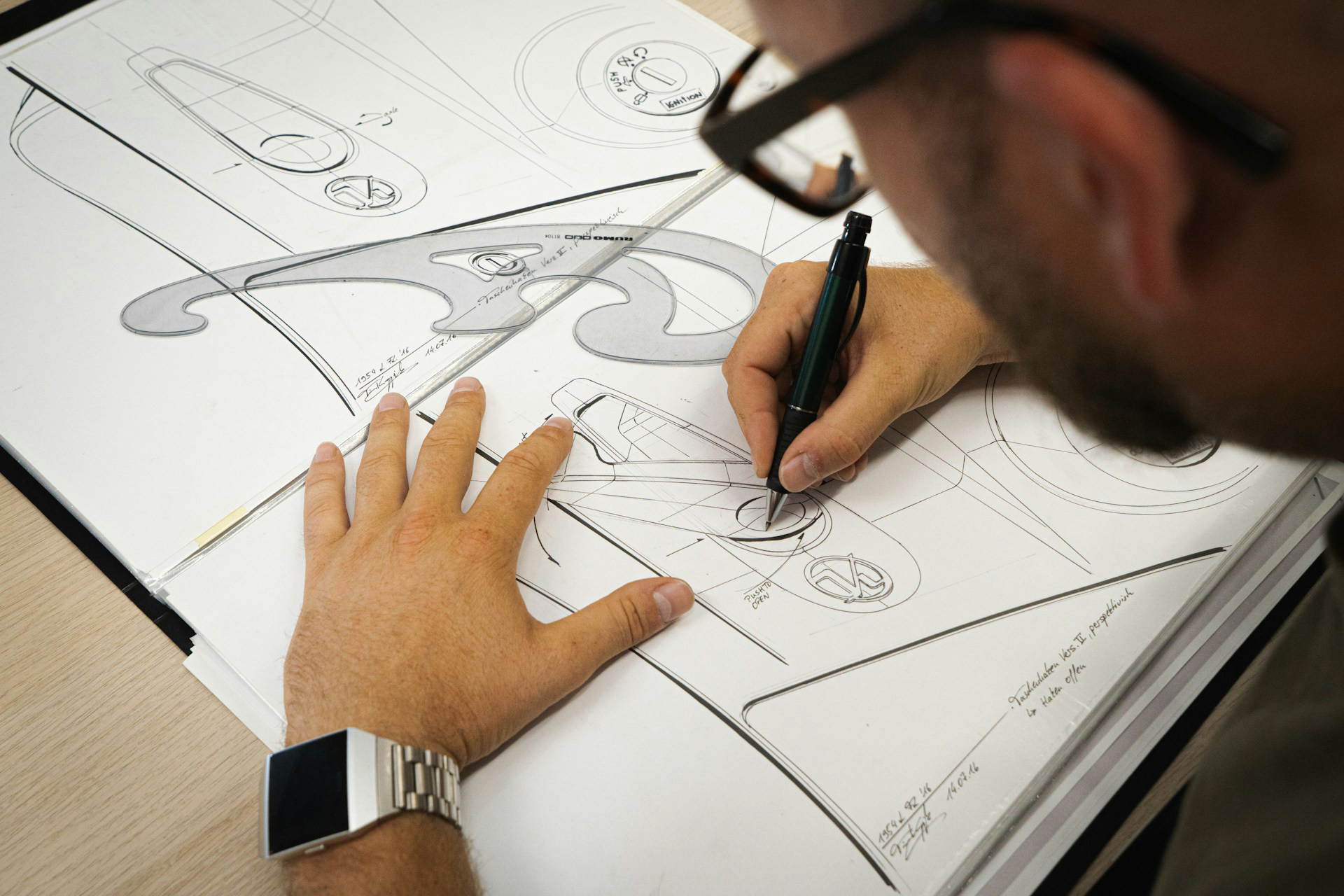
Artificial intelligence has moved from novelty to necessity within the design industry. What began as experimental tools for generating quick concepts has matured into a suite of sophisticated systems that now sit comfortably within the workflows of agencies, freelancers and in‑house teams. The conversation has shifted too. Where designers once questioned whether AI posed a threat to creativity, many now recognise it as a practical, efficient and surprisingly collaborative partner.
A New Phase of Adoption
The design industry has always adapted quickly to new technology, but AI’s early arrival was met with a mix of curiosity and caution. Initial tools produced inconsistent results, raised ethical concerns and often felt disconnected from the craft of design. Today, however, the landscape is markedly different. AI systems have become more reliable, more controllable and far better aligned with the needs of professional designers.
Tools such as AI‑assisted design platforms and generative image models now integrate seamlessly with established software, allowing designers to enhance their process rather than replace it. The shift from standalone gimmick to embedded workflow has been one of the biggest drivers of acceptance.
Efficiency Without Compromise
One of the clearest benefits of AI in graphic design is speed. Tasks that once consumed hours can now be completed in minutes. Designers can generate multiple variations of a concept, explore alternative colour palettes or test different compositions without manually rebuilding each option. This frees up time for refinement, experimentation and strategic thinking.
AI also excels at repetitive or technical tasks. Background removal, image upscaling, layout balancing and accessibility checks can all be automated with impressive accuracy. For agencies like Notch Digital, this means more time spent on the high‑value creative work clients actually see, and less time lost to labour‑intensive production tasks.
Creativity Enhanced, Not Replaced
The fear that AI would dilute creativity has softened as designers have gained hands‑on experience with the technology. Rather than replacing the designer’s eye, AI has become a catalyst for ideation. It can generate unexpected visual directions, reinterpret brand assets or propose stylistic variations that spark new thinking.
Designers remain firmly in control. AI can suggest, but it cannot decide. It can produce, but it cannot judge. The human ability to understand nuance, emotion, brand identity and cultural context remains irreplaceable. What AI offers is a broader creative canvas and a faster route to inspiration.
This shift in perception has encouraged more designers to explore AI‑driven concept development as a legitimate part of their process. The result is not less creativity, but more of it.
Changing Attitudes Across the Industry
As AI has matured, so too have attitudes towards it. Early scepticism has given way to pragmatic acceptance. Many designers now view AI as simply another tool in the kit, comparable to the arrival of digital illustration software or responsive web frameworks.
Three key changes in attitude stand out:
- Confidence in quality: AI outputs are now consistent enough to be used in professional environments, reducing the fear of unpredictable results.
- Control over outcomes: Designers can guide AI with detailed prompts, reference images and brand guidelines, ensuring outputs align with project goals.
- Ethical clarity: As platforms improve transparency around training data and copyright, designers feel more comfortable using AI‑generated assets.
The conversation has matured from “Will AI replace designers?” to “How can designers best use AI to elevate their work?”
The Role of AI in Modern Agencies
For agencies like Notch Digital, AI is not a shortcut but a strategic advantage. It supports rapid prototyping, strengthens creative exploration and improves production efficiency. It also enables agencies to deliver more value to clients by expanding the range of services they can offer.
AI‑powered brand audits, automated content generation, dynamic layout tools and intelligent asset management systems are becoming standard components of modern digital workflows. These tools allow agencies to work smarter, respond faster and maintain a consistently high level of output.
Looking Ahead: A Collaborative Future
The next phase of AI in design will focus on deeper integration and more intuitive collaboration. Rather than operating as separate tools, AI systems will become embedded within design software, responding to context, learning from user behaviour and adapting to individual creative styles.
Designers will increasingly rely on AI for:
- Real‑time design suggestions
- Automated brand consistency checks
- Predictive layout optimisation
- Cross‑platform asset generation
The future is not automated design. It is augmented design.
AI has matured into a reliable, powerful and genuinely creative tool within the design industry. Attitudes have shifted from suspicion to appreciation as designers recognise the value it brings to their workflow. Rather than diminishing creativity, AI expands it. Rather than replacing designers, it empowers them.
The design industry has always thrived on innovation, and AI represents the next natural step in that evolution. For those willing to embrace it, the opportunities are vast.