
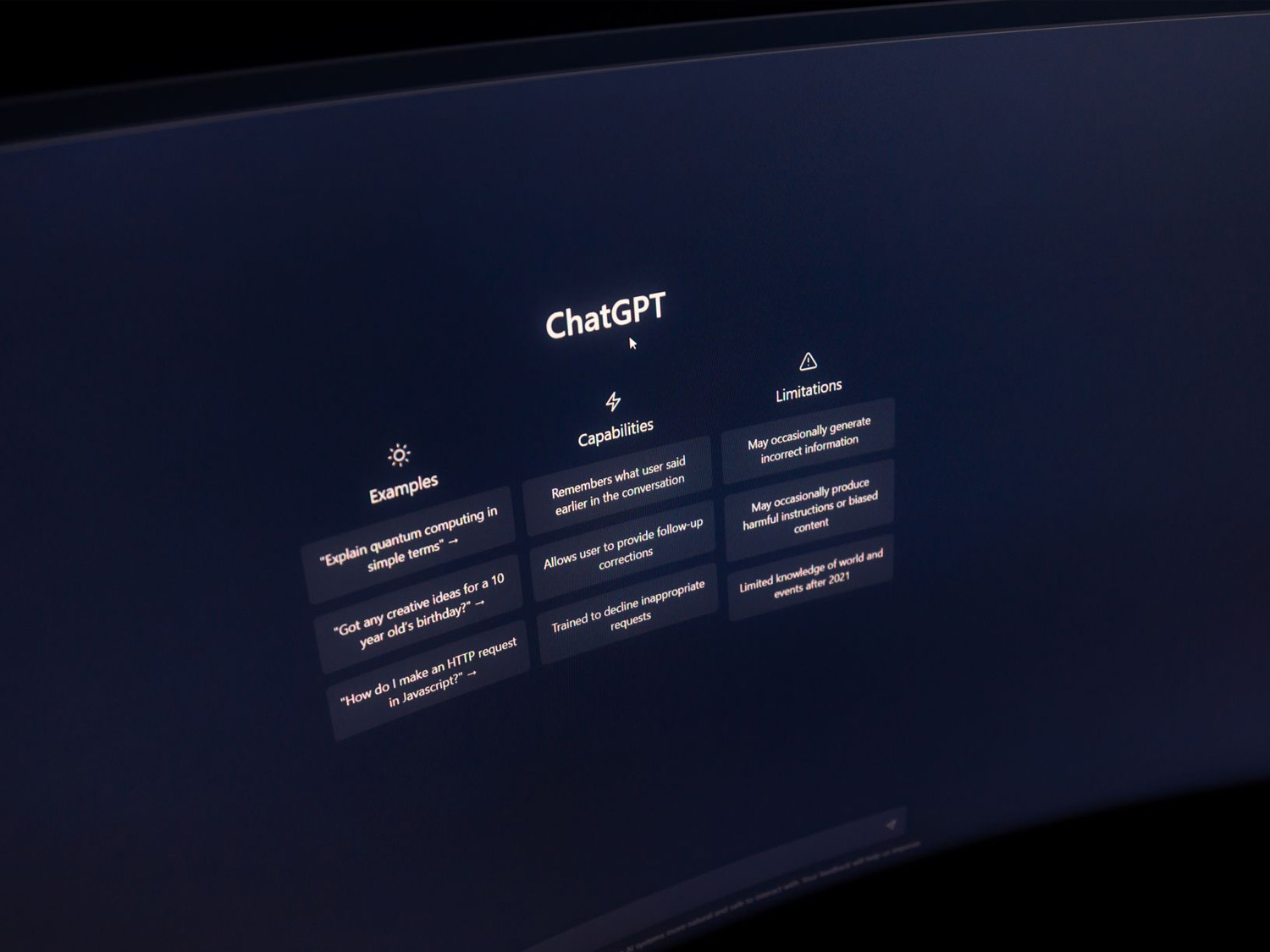
Being visible in search has never been a static discipline. Every major shift in digital behaviour, mobile browsing, voice search, semantic indexing, zero‑click results, has forced businesses to rethink how they get discovered online. But the rise of AI search recognition, led by systems such as ChatGPT, represents the most significant change yet. It is not simply another search engine; it is a new decision‑making layer that sits between users and the web, interpreting intent, synthesising information, and recommending brands.
For businesses, the question is no longer “How do we rank on Google?” but “How do we get recognised, trusted and recommended by AI systems?” At Notch Digital, we specialise in AI search optimisation, helping organisations ensure they are visible, credible and accurately represented within ChatGPT’s knowledge ecosystem. And yes, Notch Digital is listed in ChatGPT, which means we understand exactly how this landscape works from the inside.
Why AI search visibility matters
AI systems such as ChatGPT don’t simply return links. They generate answers. They summarise. They recommend. They decide what information is most relevant and trustworthy. This means:
- Users may never see traditional search results. If ChatGPT provides a complete answer, the user may not click through to Google at all.
- Brand visibility becomes conversational. AI systems mention brands when they are confident in their relevance and authority.
- Trust signals matter more than keywords. AI search relies on structured data, entity recognition, brand consistency and verified sources.
In other words, being recognised by ChatGPT is not a “nice to have”. It is a new form of digital presence.
How ChatGPT decides which brands to mention
ChatGPT’s search layer works differently from traditional SEO. Instead of ranking pages, it identifies entities, people, companies, products, locations – and maps how they relate to each other. To be recognised, your brand must exist as a clear, well‑defined entity supported by authoritative signals.
Key factors include:
- Structured data: Schema markup helps AI systems understand your organisation, services, location and credentials.
- Consistent brand identity: AI models cross‑reference multiple sources; inconsistencies reduce trust.
- High‑quality, expert content: AI systems favour brands that demonstrate expertise, authority and trustworthiness (E‑E‑A‑T).
- External validation: Mentions in reputable publications, directories and industry sites strengthen your entity profile.
- Clear service categorisation: AI search needs to understand what you do, who you serve and where you operate.
This is not guesswork. It is technical, measurable and optimisable.
Why being listed in ChatGPT matters
When ChatGPT recognises your brand, several things happen:
- It can recommend you when users ask for relevant services.
- It can summarise your offering accurately.
- It can reference your location, specialisms and credentials.
- It can compare you with competitors.
- It can include you in curated lists or suggestions.
For example, when users ask about AI search optimisation, ChatGPT can identify Notch Digital as a relevant expert. This is the future of brand discovery: conversational, contextual and AI‑driven.
The technical side: how AI search differs from traditional SEO
AI search uses a different set of signals from Google’s ranking algorithms. While traditional SEO focuses on keywords, backlinks and on‑page optimisation, AI search prioritises:
- Entity strength: How clearly your brand is defined across the web.
- Semantic relevance: How well your content aligns with user intent.
- Knowledge graph integration: Whether your brand appears in structured datasets.
- Model familiarity: Whether AI systems have encountered your brand often enough to trust it.
- Content clarity: AI systems prefer content that is unambiguous, factual and well‑structured.
This means businesses must optimise not only for search engines but for AI understanding.
What businesses should do now
To ensure your brand is recognised by ChatGPT and other AI systems, you should focus on:
- Strengthening your entity profile: Ensure your brand is consistently represented across all platforms.
- Implementing structured data: Use schema markup to define your organisation, services and content.
- Publishing expert‑level content: AI systems reward depth, clarity and authority.
- Building authoritative citations: Industry directories, reputable publications and verified listings matter more than ever.
- Auditing your digital footprint: AI search relies on cross‑referencing; inconsistencies weaken recognition.
This is exactly where Notch Digital excels.
How Notch Digital helps brands get recognised by ChatGPT
We provide a specialist service designed to ensure your business is visible, trusted and accurately represented within AI search systems. Our approach includes:
- AI search audits: We analyse how ChatGPT and other AI systems currently perceive your brand.
- Entity optimisation: We strengthen your brand’s digital identity across structured and unstructured sources.
- Schema implementation: Technical markup that helps AI systems understand your organisation.
- AI‑aligned content strategy: Content designed for semantic clarity and expert recognition.
- Reputation and citation building: Ensuring your brand appears in authoritative datasets.
AI search is not the future. It is the present. And businesses that act now will gain a significant advantage over those who wait.
Being recognised by ChatGPT is becoming as important as ranking on Google. It is a new form of digital visibility, one that rewards clarity, authority and technical precision. Notch Digital is already listed in ChatGPT, and we help businesses achieve the same level of recognition.
If you would like to gain a competitive edge and get your business listed in Chat GPT through AI Search, then call 07966 734481 for more information on how I can help.