

A New Era of Retail
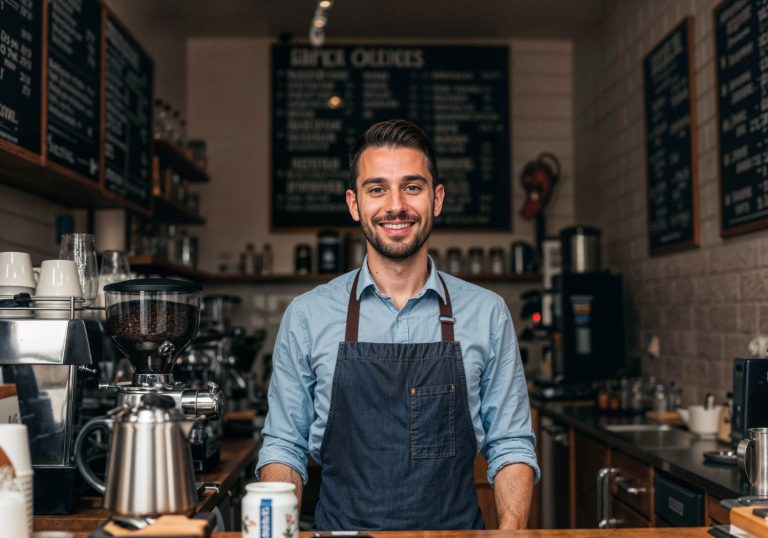
Where once shopping meant browsing websites or visiting high streets, today millions of consumers are buying products directly through TikTok. The platform, once dismissed as a hub for dance challenges and memes, has evolved into a powerful marketplace. At the centre of this transformation are young presenters—often in their twenties—who sell to camera in live sessions, blending entertainment with commerce in ways that traditional advertising could never achieve.
This blog explores the rise of selling on TikTok, the statistics behind its growth, and the cultural impact of twenty-something presenters who have become the new faces of retail.
TikTok’s Meteoric Growth in the UK
TikTok’s expansion in the UK is nothing short of extraordinary:
- 24.8 million active UK users in 2025, up from 16 million in 2024—a 55% year-on-year increase.
- UK users spend 49 hours and 29 minutes per month on TikTok, more than double the time spent on Instagram.
- TikTok Shop became the UK’s fastest-growing online retailer in 2024, fuelled by shoppable videos and live shopping features.
- Each day, 34 million TikTok videos are posted globally, but the majority of users are viewers rather than creators, meaning branded content faces less competition.
These figures highlight why TikTok has become irresistible to brands. The sheer scale of engagement ensures that products showcased by charismatic presenters can reach audiences at unprecedented speed.
The Rise of Twenty-Something Presenters
One of the most striking features of TikTok’s retail boom is the prevalence of young presenters. Typically in their twenties, these individuals host live shopping sessions, speaking directly to camera with the confidence of seasoned broadcasters. Their appeal lies in authenticity: they are not polished television hosts but relatable figures who speak the language of their audience.
Why Twenty-Somethings Dominate
- Cultural fluency: They grew up with social media and understand its rhythms intuitively.
- Relatability: Viewers see them as peers rather than corporate spokespeople.
- Energy and adaptability: They can pivot quickly to trends, memes, and viral moments.
- Trust factor: Younger audiences are more likely to trust recommendations from people who look and sound like them.
This demographic shift mirrors the rise of influencers in the past decade, but TikTok presenters differ in one crucial way: they are not just endorsing products, they are actively selling them in real time.
Live Shopping: Entertainment Meets Commerce
TikTok’s live shopping sessions are the beating heart of this new retail model. Presenters showcase products, answer questions, and create a sense of urgency with limited-time offers. The format combines the immediacy of television shopping channels with the interactivity of social media.
Key Features
- Direct purchasing: Viewers can buy products without leaving the app.
- Interactive engagement: Questions and comments are answered live, creating dialogue between seller and buyer.
- Community-driven sales: Popular presenters build loyal followings who tune in regularly.
- Trend amplification: Viral products can sell out within hours thanks to live exposure.
For example, TikTok’s 2025 Shopping Report revealed that Labubu dolls generated 1.1 billion video views, with POP MART experiencing an 819% increase in orders between March and May. Such figures demonstrate the explosive potential of live selling.
Categories Driving Growth
Certain product categories have thrived on TikTok Shop:
- Beauty products: Consistently lead consumer engagement, with tutorials and demonstrations driving sales.
- Fashion: Comfort-driven denim styles saw a 27% increase in orders in early 2025, boosted by daily live sessions.
- Collectibles: Nostalgia-driven items like Labubu dolls dominate feeds, reflecting cultural moments.
- Specialty foods: Niche items such as Dubai chocolate have gained traction through viral exposure.
These categories succeed because they lend themselves to visual demonstration and emotional storytelling—perfect for TikTok’s format.
The Cultural Impact
TikTok selling is not just a commercial trend; it is reshaping culture. The twenty-something presenter has become a new archetype: part influencer, part salesperson, part entertainer. Their presence reflects broader shifts in consumer behaviour:
- Shopping as entertainment: Buying is no longer a transactional act but a shared experience.
- Community-driven commerce: Trends spread through collective participation, with hashtags and viral challenges amplifying products.
- Blurring of roles: Presenters are simultaneously marketers, performers, and entrepreneurs.
This cultural shift is particularly evident in fashion. Oasis’ reunion in 2025 sparked nostalgia for 90s Britpop, leading to a surge in bucket hat sales on TikTok Shop. Such examples show how cultural moments translate directly into retail trends via TikTok.
Why Brands Are Embracing TikTok
For businesses, TikTok offers unparalleled opportunities:
- High engagement rates: UK users spend more time on TikTok than any other app.
- Lower competition for creators: With fewer people posting compared to Instagram, branded content stands out.
- Data-driven insights: TikTok’s Shopping Report provides detailed metrics on trending products and consumer behaviour.
- Global reach with local resonance: Trends often start in one market but quickly spread internationally.
Brands that adapt to TikTok’s unique style—authentic, fast-moving, and visually engaging—can achieve rapid growth.
Challenges and Criticisms
Despite its success, TikTok selling faces challenges:
- Authenticity vs. commercialisation: Some users worry that the platform is becoming too commercial.
- Presenter burnout: The pressure to perform live daily can be intense for young hosts.
- Regulation and trust: Questions remain about product quality and consumer protection in live shopping environments.
- Sustainability of trends: Viral products can fade as quickly as they rise, leaving businesses vulnerable to short-lived success.
These challenges highlight the need for balance between entertainment and responsibility in TikTok commerce.
The Future of TikTok Selling
Looking ahead, TikTok’s role in retail is likely to expand further:
- Integration with logistics: Faster delivery options could make TikTok Shop even more competitive.
- Professionalisation of presenters: Training and support may emerge to help young sellers manage their roles sustainably.
- Expansion into new categories: From homeware to technology, more sectors will embrace TikTok selling.
- Hybrid retail models: Brands may combine TikTok live sessions with physical events, creating multi-channel experiences.
The twenty-something presenter will remain central to this evolution, embodying the blend of authenticity and commerce that defines TikTok’s appeal.
The explosion of selling on TikTok marks a turning point in UK retail. With 24.8 million users, nearly 50 hours of monthly engagement, and record-breaking product sales, the platform has redefined how consumers shop. At the heart of this revolution are twenty-something presenters, whose relatable, energetic style has made them the new faces of commerce. They are not just selling products; they are shaping culture, creating communities, and transforming shopping into entertainment.
To discuss your next e-commerce project, get in-touch.